The History of Home Care

Home care is a critical component of modern healthcare, enabling individuals to receive medical support at home. Although services today include advanced monitoring, the essence of home care is historical.
Understanding its evolution from family-based care to a structured industry shows its significance in healthcare. This transformation highlights the enduring need for personalized medical solutions at home.
Origins of Home Care
Early Beginnings
Initially, healthcare was home-centered, with families using traditional remedies. Local healers and practical experience were central to health management. These foundational practices laid the groundwork for community-centered healthcare systems.
Traditional Family-Based Care
Families provided care for the elderly, disabled, and ill. Multi-generational households facilitated caregiving tasks such as meal preparation and mobility assistance. This familial care model guaranteed continued emotional support and connection.
Community and Religious Influences
Religious groups organized volunteers for home visits, offering companionship and basic medical support, laying the groundwork for organized caregiving services. Faith-based initiatives emphasized compassion as a core component of care.
Rise of Professional Caregivers
With expanded medical knowledge, visiting nurses bridged hospitals and homes, marking the start of home care as a profession. This transition professionalized caregiving, increasing its credibility.
Impact of Industrialization
Industrialization separated families, increasing the need for professional home care to assist those without family support. Industrial changes reshaped living arrangements, necessitating new care models.
Evolution Over Decades
Post-Industrialization Advances
Formal home care programs emerged to reduce hospital overcrowding and improve outcomes as healthcare recognized home recovery benefits.
Mid-20th Century Changes
The mid-1900s saw structured home healthcare with government recognition, enhancing the vital role of home services.
Medical devices and communication technology transformed home care, enhancing efficiency and reliability. Technology adoption marked a new era of accessibility and convenience in health management.
Policy Changes
Regulations established standards and funding for home care, expanding access and improving quality. These regulatory frameworks ensured consistent service delivery across regions.
Modern Healthcare Systems
Home care is now integral to healthcare, facilitating early hospital discharge and chronic disease management. Its integration into modern systems maximizes resource utilization and efficiency.
Innovations in Home Care
Telehealth and Remote Monitoring
Telehealth expands home care through video consults and remote monitoring, minimizing the need for in-person visits. This innovation greatly enhances patient autonomy and care personalization.
Contemporary Adaptations
Home care services now offer long-term support and specialized care, catering to aging and diverse needs. Adaptations ensure that evolving patient demographics are adequately supported.
Care Provider Training
Certification programs ensure caregivers deliver high-quality service, emphasizing both medical and interpersonal skills. Such training programs elevate the overall standard of care provided.
Customized Care Solutions
Personalized care plans enhance patient comfort and outcomes by addressing individual needs. Customization adheres to the unique healthcare journey of each patient, ensuring better results.
Digital Platforms
Digital tools streamline care coordination and administration, improving communication among families and professionals. These platforms revolutionize how care is monitored, recorded, and adjusted.
Key Roles in the Home Care Industry
Professional Caregivers
Caregivers are essential, providing medical support and assisting with daily activities to maintain patient independence. This essential workforce is the backbone of effective home caregiving services.
Healthcare Organizations
Hospitals and agencies coordinate home care, ensuring services meet standards and integrating with traditional healthcare. Such coordination fosters a holistic approach to patient care.
Policy Makers and Regulators
Regulations and funding shape home care availability and quality, impacting its growth. Effective policies allow the sector to evolve with societal needs and technological advancements.
Technology Developers
Innovations by tech companies enhance home care efficiency and responsiveness. The collaboration between the tech and healthcare fields drives progress in this domain.
Family and Community Support
Families and community groups provide valuable support, creating a strong care network. This network strengthens community ties and enhances patient well-being.
Challenges in the Home Care Sector
Regulatory and Financial Hurdles
Navigating regulations and funding constraints is vital for sustainable industry growth. Successfully overcoming these hurdles will ensure a prosperous future for the sector.
Workforce Shortages
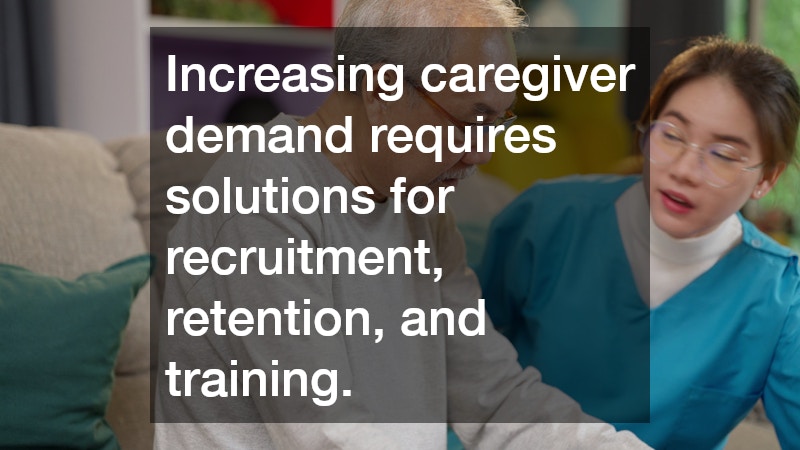
Increasing caregiver demand requires solutions for recruitment, retention, and training. Addressing workforce shortages is key to accommodating growing patient numbers.
Technological Barriers
Adapting to digital tools and ensuring access are essential for maximizing technology benefits. Streamlining technology adoption is crucial for modernizing the sector.
Access and Equity Issues
Expanding equitable access will ensure all populations can benefit from home-based care. A focus on inclusivity will drive fair access to valuable healthcare resources.
Balancing Quality with Demand
Scaling services while maintaining quality requires effective management and oversight. Balancing growth with quality assurance remains a top priority for the sector.
Home care’s evolution from family-based care to a professional industry shows its adaptability and essential role in healthcare. Continued innovation and demand make it vital for compassionate and accessible healthcare. Its dynamic development over time underscores home care’s critical impact on global health outcomes.