What Should You Know About Medal Fabrication Services?
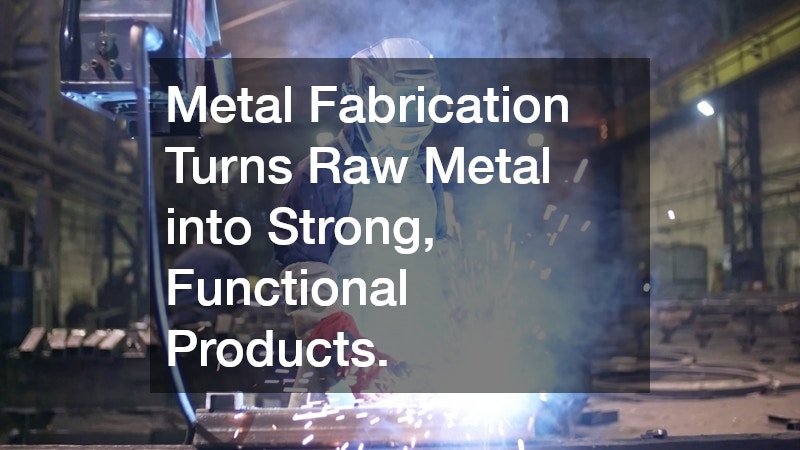
Metal fabrication plays a vital role in nearly every industry, from construction and automotive manufacturing to energy, aerospace, and consumer goods. The process transforms raw metal into usable parts and structures that help power our modern world. A professional metal fabrication service can handle everything from designing and cutting to welding and assembling complex components. Understanding how these services work, the techniques they use, and what to consider when choosing a provider can help you find the right partner for your project.
Understanding Metal Fabrication Services
Metal fabrication is the process of manipulating metal materials into specific shapes and products. A metal fabrication service typically offers a wide range of capabilities tailored to the needs of clients. This might include creating building structures, machinery parts, custom components, or decorative metalwork. These services combine engineering expertise, modern machinery, and skilled craftsmanship to produce high-quality fabricated metal products that meet both aesthetic and technical requirements.
Many industries rely on fabrication companies to bring their designs to life. Whether producing small precision parts or large industrial assemblies, a metal fabricator ensures the finished product meets performance standards and safety regulations.
The Core Processes of Metal Fabrication
A metal fabrication service usually involves several key processes that work together to shape and finish the metal:
-
Design and Prototyping
Every successful project begins with a design phase. Engineers or designers create blueprints or 3D models using computer-aided design (CAD) software. Some fabrication companies also assist clients in optimizing their designs for production, helping reduce waste and cost. Prototyping allows teams to test the design and make improvements before mass production begins. -
Cutting
Cutting is often the first step in fabrication. Technicians use advanced methods such as laser cutting, plasma cutting, or waterjet cutting to slice metal sheets accurately. These technologies allow for precision cuts that minimize material waste and maintain tight tolerances, resulting in components that fit perfectly during assembly. -
Forming and Bending
Once the metal pieces are cut to size, they are shaped or bent according to the design. Modern fabrication facilities use press brakes, rollers, and automated machines to form the metals into curves or angles. The right metal fabrication service ensures that during forming, the metal’s structural integrity remains intact, preventing cracks or distortions. -
Welding and Joining
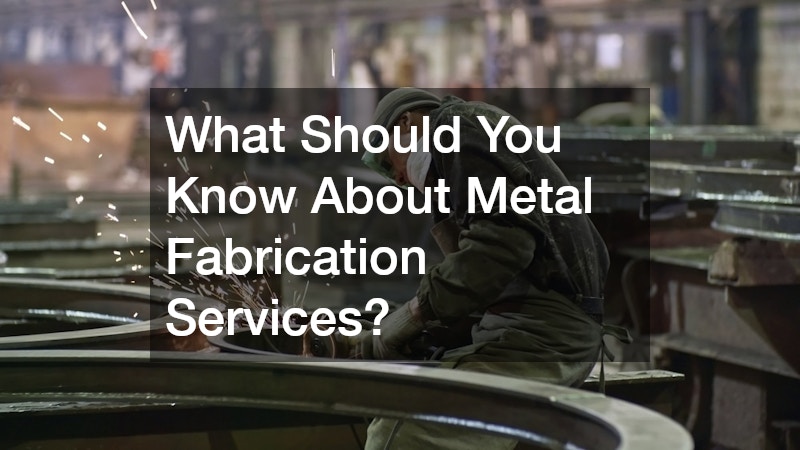
Welding is essential in fabrication, as it joins metal parts to create strong and durable structures. Professional fabricators use different welding techniques, including MIG, TIG, and spot welding, depending on the material and thickness. Skilled welders ensure that joints are clean, precise, and compliant with required strength standards. -
Assembly and Finishing
After parts are formed and welded, they are assembled into the final product. Finishing touches like grinding, polishing, painting, powder coating, or galvanizing are then applied. These steps not only enhance appearance but also protect the metal from corrosion and wear, extending its lifespan.
Types of Metal Fabrication Services
There are several categories of fabrication depending on project requirements:
- Custom fabrication focuses on creating unique products designed to meet specific client needs.
- Commercial fabrication involves producing items for general markets, such as appliances or furniture components.
- Industrial fabrication supports heavy industries like oil, gas, and manufacturing, where strength and reliability are critical.
A versatile metal fabrication service can often handle multiple categories, providing both design flexibility and technical expertise.
Factors to Consider When Choosing a Metal Fabrication Service
Selecting the right partner for your project can greatly influence the outcome. Here are some important factors to evaluate:
- Experience and Skillset: Look for a company with proven experience in your industry or with projects similar to yours. Skilled technicians and certified welders ensure quality and safety compliance.
- Technology and Equipment: Modern fabrication relies on advanced machinery such as CNC cutting systems, robotic welders, and precision press brakes. Updated equipment increases efficiency and accuracy.
- Quality Control: A reliable service provider follows strict quality standards and inspection protocols. Many reputable companies hold ISO certifications that demonstrate their commitment to consistent quality.
- Material Expertise: Different metals, such as steel, aluminum, and stainless steel, behave differently during fabrication. A professional metal fabrication service understands these nuances and uses the right methods to ensure proper handling.
- Lead Time and Flexibility: Timely delivery is crucial, especially for large projects. Choose a company with efficient scheduling and the ability to adjust production timelines when needed.
- Customer Support and Communication: The best fabrication companies maintain open communication throughout the process, providing updates and collaborating closely with clients to ensure the final product meets their expectations.
Benefits of Professional Metal Fabrication Services
Partnering with an experienced metal fabrication service offers several advantages. You gain access to specialized knowledge, advanced tools, and skilled labor that can improve efficiency and reduce production errors. Custom designs can be easily adapted to match project requirements, and the final results typically show higher precision and durability than those made through generic manufacturing methods.
Additionally, professional fabricators maintain safety and environmental standards, ensuring that processes are compliant with regulations and that materials are sourced responsibly.
A professional metal fabrication service is essential for transforming raw materials into strong, functional, and aesthetically pleasing products. Whether you need a one-time custom component or ongoing production support, selecting a skilled and well-equipped fabricator ensures the success of your project. By understanding the core processes, evaluating providers carefully, and emphasizing quality and precision, you can achieve results that align with your goals and stand the test of time.