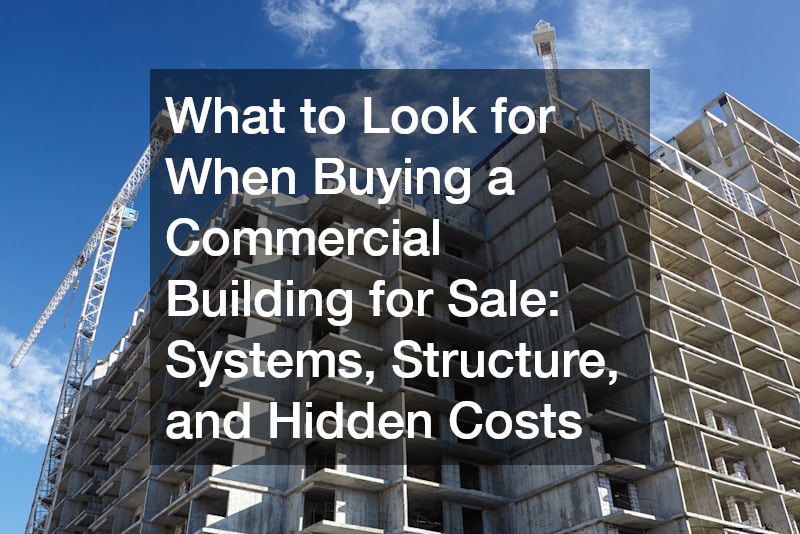
How to Evaluate a Commercial Building Before Purchase
Purchasing a commercial building for sale is one of the most significant investments a business owner, investor, or entrepreneur can make. Unlike residential real estate, commercial properties involve complex systems, multiple tenants, and higher operational costs. For many buyers, it represents years of planning, financing, and market research. Whether the property will serve as a headquarters, retail space, warehouse, medical facility, or income-producing asset, every element of the building must be carefully evaluated before committing.
While location and price are often the first considerations, experienced investors know that the true value of a property lies beneath the surface. Structural integrity, mechanical systems, maintenance history, and potential repair costs can significantly impact long-term profitability. A thorough assessment helps prevent unexpected expenses and ensures the building supports operational needs for years to come. Taking the time to investigate every system before closing often separates a successful purchase from a costly mistake, safeguarding the buyer’s financial and operational objectives. A methodical approach not only protects the initial investment but also ensures the property can generate sustainable returns for decades.
Start With the Structure: Foundation, Framing, and Exterior Integrity
The structural condition of a commercial property sets the tone for everything else. Cracks in the foundation, uneven flooring, sticking doors, or visible wall separation may indicate deeper problems. Buyers should work with licensed inspectors to evaluate the building’s load-bearing components, including beams, columns, and support walls.
Exterior materials also matter. Brick, concrete tilt-up panels, steel framing, and masonry blocks each have different maintenance requirements and life spans. Weather exposure, soil conditions, and prior renovations can all influence structural stability. Small issues today can become major capital expenses tomorrow if left unaddressed.
Pay attention to expansion joints, roof-to-wall connections, and signs of settling. In some regions, soil movement can create long-term foundation shifts, which may not be immediately obvious during a standard walkthrough. Reviewing engineering reports, if available, provides additional clarity. Even small irregularities in exterior siding, minor wall cracks, or gaps around window frames can serve as early warnings of larger structural issues that require budgeting for repair. Buyers should also observe exterior landscaping and retaining walls, as poorly managed surroundings can contribute to moisture intrusion and foundation stress over time.
Even cosmetic elements deserve attention. Peeling paint, damaged siding, or faded exterior finishes can point to neglected upkeep. While these issues may seem minor, they often signal broader maintenance concerns. A well-maintained exterior reflects a history of consistent care, which often correlates with properly maintained internal systems. Neglect in this area can also affect tenant perceptions, resale value, and insurance costs, and may suggest that other systems were similarly deferred.
Evaluating the Roof: Protection From the Top Down
The roof is one of the most expensive components of any commercial property, and its condition can dramatically influence the investment’s long-term costs. A thorough review of the commercial roofing system is essential before closing a deal. Buyers should determine the roof’s age, material type, warranty status, and maintenance history.
Flat roofs, common in office, retail, and industrial properties, are particularly vulnerable to pooling water and membrane deterioration. Inspectors should look for soft spots, punctures, flashing damage, and signs of previous patchwork repairs. A roof nearing the end of its life span may require replacement shortly after purchase, which should be factored into negotiations and long-term budgeting.
If the building has rooftop equipment such as HVAC units, verify that mounting systems are secure and properly sealed. Penetrations around equipment are common leak points and often contribute to hidden water damage. Asking for maintenance logs can reveal whether regular inspections have been performed and if prior leaks were addressed effectively. Understanding the roof’s slope, drainage system, and potential areas for water collection is critical to avoiding future damage. Some buyers also consider adding protective coatings or preventive maintenance plans to extend the roof’s lifespan.
Drainage and Gutters: Preventing Water Intrusion
Water damage is one of the most costly issues commercial property owners face. Functional commercial gutters play a key role in directing water away from the building’s foundation and exterior walls. Sagging sections, rust, clogs, or improper pitch can lead to overflow and long-term structural damage, which may not be immediately noticeable during a property walkthrough.
Downspouts should discharge water at a safe distance from the foundation. Standing water around the perimeter may indicate poor grading or blocked drainage lines, which can compromise structural stability over time. Buyers should confirm that landscaping does not direct water toward the structure, and check that grading slopes away from the building. Small adjustments to the property’s grading or gutter placement can prevent severe foundation issues later.
Interior floor drains and sewer connections also deserve careful review. A documented history of commercial drain repair may signal recurring plumbing concerns. Even if problems were resolved, understanding past issues helps buyers prepare for future maintenance and budget accordingly. Proper drainage maintenance is essential not just for the structure, but also for avoiding mold, mildew, and other indoor environmental problems that can impact both tenants and operations. Proactive maintenance schedules, including seasonal gutter cleaning and drain inspections, often reduce long-term repair costs.
Plumbing Systems: Pipes, Fixtures, and Water Heating
Plumbing is another area where hidden costs can accumulate quickly. Buyers should assess pipe materials, water pressure, fixture conditions, and shutoff accessibility. Older galvanized pipes are prone to corrosion and restricted flow, while PVC and copper typically offer longer lifespans but still require inspection.
Hiring a qualified plumbing contractor to conduct a pre-purchase inspection provides peace of mind. They can identify outdated piping, potential code violations, and signs of hidden leaks inside walls or ceilings. Reviewing service invoices may reveal patterns of repeated repairs, which could indicate ongoing issues or potential future liabilities.
The water heating system deserves close attention as well. A commercial gas water heater must be properly sized for the building’s occupancy and operational needs. Restaurants, gyms, healthcare facilities, and other high-demand operations require larger capacity systems than standard office buildings. Buyers should confirm the unit’s age, efficiency rating, and ventilation compliance. Replacement costs for a commercial gas water heater can be substantial, making its condition a major negotiation point. Planning for preventative maintenance or upgrading the system can save both money and operational downtime over time. Some buyers also check energy efficiency ratings to ensure the water heater won’t generate unnecessarily high utility costs.
HVAC Systems: Comfort, Efficiency, and Compliance
Heating and cooling systems directly affect tenant comfort and operating costs. Buyers should evaluate furnaces, rooftop units, ductwork, thermostats, and ventilation systems. If the property requires frequent commercial HVAC repair, it may indicate aging equipment or deferred maintenance, which can impact both operational efficiency and energy costs.
Request service records and warranty details, and inspect units for excessive rust, unusual vibration, or inconsistent airflow. Poorly balanced systems may result in uneven temperatures throughout the building, causing discomfort for tenants or employees. Energy efficiency ratings are critical—modern HVAC systems typically deliver superior climate control and lower utility costs compared to older models.
Properly functioning HVAC also supports air quality. Insufficient ventilation can lead to stagnant air, allergens, and moisture problems, which can affect both occupants’ health and long-term property value. Buyers should consider potential upgrades or replacement schedules as part of their due diligence and budgeting. Strategic HVAC improvements can also enhance sustainability credentials, which may attract environmentally conscious tenants.
Electrical Infrastructure and Technology Readiness
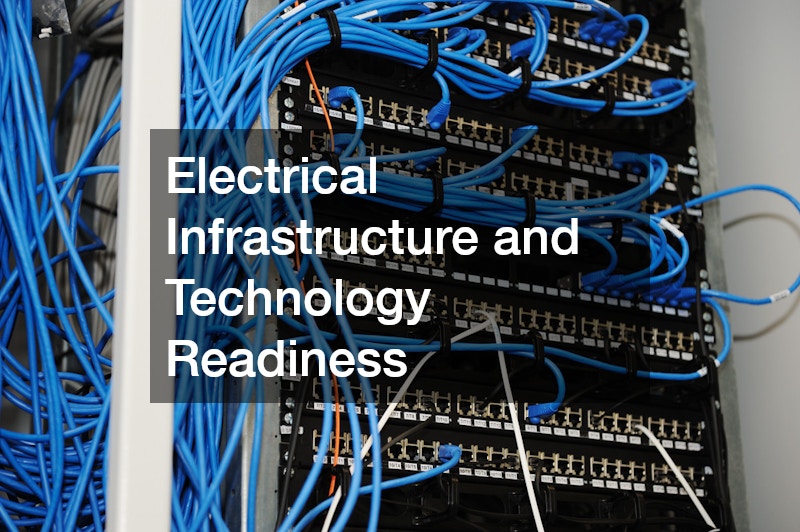
Electrical systems must support both current and future operational demands. Buyers should verify panel capacity, inspect wiring condition, and confirm that the system meets local codes. Outdated panels, aluminum wiring, or overloaded circuits may require costly upgrades.
Technology readiness is also important. Reliable internet connectivity, data cabling, and security systems contribute to a building’s overall value. For businesses relying on technology-heavy operations, inadequate infrastructure can delay productivity and require additional investment.
Backup power systems should be tested if present. For certain industries, uninterrupted power is essential to protect equipment, inventory, and safety systems. A complete assessment ensures electrical capacity aligns with both current and planned usage, avoiding unplanned operational disruptions.
Interior Condition and Finishes
Interior aesthetics matter for tenants and customers. Damaged drywall, stained ceiling tiles, and worn flooring affect first impressions. While cosmetic updates are manageable, widespread deterioration may indicate underlying moisture or structural problems that could be costly to remediate.
Commercial painting is often part of preparing a property for occupancy. Fresh paint improves visual appeal, protects surfaces from wear, and signals that the building has been well cared for. Buyers should evaluate whether repainting is necessary immediately or can be incorporated into future renovations.
Restroom conditions, lighting quality, accessibility, and layout also influence tenant satisfaction and operational functionality. Ensuring ADA compliance and modern design standards is essential for many commercial spaces, especially those seeking to attract high-quality tenants or investors.
Signs of Past Water Damage and Restoration Work
Water intrusion can cause structural deterioration, mold growth, and health concerns. Buyers should search for warped flooring, bubbling paint, or musty odors. Even minor leaks can create extensive hidden damage over time.
If previous flooding occurred, documentation should confirm that a reputable water damage restoration service handled repairs. Professional restoration includes proper drying, removal of contaminated materials, and thorough moisture testing. Incomplete restoration cleanup can leave lingering moisture, fostering mold growth and material degradation. Thermal imaging inspections and moisture meters help ensure the building is completely dry and safe for occupancy, reducing the risk of unexpected repair costs.
Zoning, Permits, and Legal Review
A commercial property must align with its intended use. Buyers should confirm zoning classification, occupancy limits, and permit history. Unauthorized renovations may require corrective work before operations can begin.
Review documentation for major system upgrades, including plumbing, electrical, and roofing replacements. Ensuring proper permitting reduces legal risk and insurance complications. Confirming compliance is particularly important for commercial buildings with mixed-use purposes, high occupancy rates, or specialized operations.
Operating Costs and Long-Term Budgeting
Beyond the purchase price, ongoing costs determine profitability. Utility expenses, property taxes, insurance premiums, and maintenance contracts should be carefully reviewed. Energy efficiency upgrades, such as modern HVAC systems, LED lighting, and improved insulation, can significantly lower monthly expenses.
Creating a five-year maintenance budget allows buyers to anticipate capital improvements. Proactive planning reduces financial surprises, extends system lifespans, and strengthens long-term investment returns. Considering long-term replacement schedules for roofs, gutters, or major plumbing systems helps avoid sudden, costly repairs.
Hidden Costs After Closing
Even thorough inspections cannot reveal every issue. Unexpected repairs sometimes arise after occupancy. For example, undetected drain problems may require immediate commercial drain repair, and minor roof leaks during heavy storms may necessitate professional roofing attention.
Being prepared with contingency funds ensures smooth operations and protects the property’s value. Accounting for hidden costs is especially important in older properties, where aging systems like water heaters or HVAC units may be near the end of their functional lifespan.
Negotiation and Due Diligence Strategies
A detailed inspection report strengthens a buyer’s negotiating position. Identified concerns may justify price reductions or repair credits.
Assembling a knowledgeable team—including inspectors, contractors, and legal advisors—adds confidence to the transaction. Their expertise helps uncover potential liabilities before closing. Due diligence is not simply a procedural step—it’s a safeguard for long-term investment success and operational continuity.
Planning for Long-Term Value and Flexibility
A commercial property should support adaptability. Flexible layouts, ample parking, and expansion potential increase long-term value. Routine inspections and preventative maintenance protect that investment. Establishing relationships with experienced service providers ensures ongoing care and peace of mind for the owner.
Move Forward With Your Commercial Property
Buying a commercial building for sale is both an opportunity and a responsibility. Beyond visible features, the real story lies in the building’s systems, structural integrity, and maintenance history. Careful evaluation of roofing, drainage, plumbing, HVAC, electrical infrastructure, and prior restoration work can prevent costly surprises.
When each system—from the commercial gas water heater to structural framing—has been carefully reviewed, the purchase becomes far more predictable. With proper planning, professional inspections, and realistic budgeting, a commercial property can serve as a stable and profitable asset for decades, generating both operational value and long-term financial security.