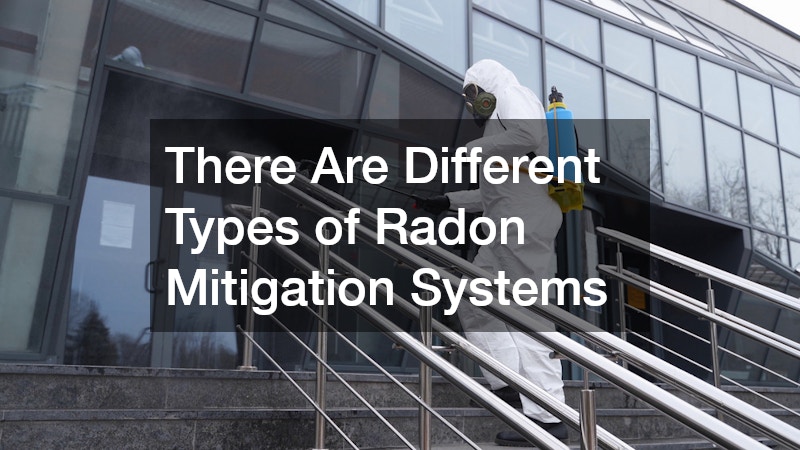
How Does a Radon Mitigation System Work?
Radon is an odorless, tasteless, and invisible radioactive gas that occurs naturally as uranium in the earth’s crust decays. It is a profound risk due to its ability to cause lung cancer, posing significant health risks to home occupants. Therefore, having a radon mitigation system in place is crucial for ensuring safety and health, banishing the hidden dangers of radon accumulation in residential and commercial spaces.
1. What is Radon and Why is it a Problem?
Radon is generated from the natural decay of uranium found in soil, rock, and water. When radon gas is released, it can seep through cracks and gaps in the foundation of buildings and homes, accumulating to dangerous levels.
The danger lies in its radioactive nature, contributing to approximately 21,000 lung cancer deaths per year in the United States. As a colorless and odorless gas, radon remains undetectable without proper testing methods, causing many to underestimate associated risks. Educating the public about the presence and hazards of radon gas is critical to mitigating its impact.
The Environmental Protection Agency (EPA) considers radon levels at 4 pCi/L or higher as hazardous, urging intervention at these concentrations. However, even levels lower than this threshold can still pose health concerns over long-term exposure. Homes in certain geographic areas are particularly vulnerable due to the natural composition of the soil and rock beneath them. Factors such as the age of the home, structural changes, and ventilation systems also affect radon levels. Recognizing these factors is the first step towards ameliorating the dangers associated with radon exposure.
Identifying radon issues equally entails understanding the routes through which it enters a building. Common entry points include construction joints, floor drains, and the spaces around pipes. Once inside, radon can accumulate, especially in enclosed or poorly ventilated areas like basements. This potential for accumulation raises the urgency for effective radon mitigation strategies. Homeowners must comprehend the severity of prolonged radon exposure, pushing for preventive measures to protect themselves and their families.
2. How Does a Radon Mitigation System Work?
Radon mitigation systems work by utilizing a combination of suction and ventilation to reduce radon concentrations inside a building. The most common type, sub-slab depressurization, involves installing pipes through the foundation slab to create a vacuum that pulls radon gas from beneath the house, venting it safely outside. This active system requires a fan to maintain negative pressure under the slab, ensuring radon does not leak into the interior spaces. Proper sealing techniques around floors and foundation cracks further support this system, enhancing its effectiveness. The goal is to consistently sustain low radon levels within the habitation area.
The success of a radon mitigation system largely depends on regular maintenance and correct installation. Monitoring the system ensures the fan operates efficiently, maintaining optimum pressure to keep radon out. Periodic checks might also reveal if additional sealing or adjustments are necessary to accommodate changes in the building’s structure or environment. Furthermore, educating residents about recognizing signs of system failure helps in timely troubleshooting. Comprehension of the system’s design and function empowers occupants to actively participate in preserving a risk-free home environment.
Various factors influence the operation and selection of an appropriate radon mitigation system; soil type, home size, and original radon levels are just a few considerations. Some homes might also benefit from other ventilation techniques, such as installing air exchangers that encourage indoor air turnover, expelling radon gas more effectively. Cross-referencing measures like these dramatically improve the overall efficiency of radon mitigation. By employing a strategic approach tailored to individual homes or buildings, radon levels are more reliably maintained below critical health benchmarks. Commitment to ongoing assessments and adjustments safeguards the inhabited space against radon infiltration.
3. Different Types of Radon Mitigation Systems
Diversity in radon mitigation systems allows flexibility depending on the home’s construction and environmental conditions. The sub-slab depressurization technique is prevalently used for newer houses, while sub-membrane depressurization may suit crawlspace foundations. This method involves laying a membrane over the earth floor and venting radon using a pipe-and-fan system. Other methods like block wall suction are effective in homes with hollow block foundation walls, removing radon trapped within the blocks. By adjusting methods as necessary, specialists can design systems accommodating each dwelling’s unique architecture and radon dynamics.
Point-in-time solutions such as increased ventilation and natural air swapping can temporarily reduce radon levels. However, they are seldom substitutes for active mitigation systems that provide lasting protection. Passive systems without fans have limitations since they rely on natural pressure differentials and may not suffice where radon levels are elevated. A successful system choice considers geographic location, cost, and feasibility of space manipulation. Customization across different radon mitigation systems ensures maximum effectiveness, minimizing health risks by reducing exposure to radon’s invisible dangers.
Investing in quality systems demands understanding the professional guidance necessary for each radon mitigation strategy. Each system type functions optimally only when installed and maintained by certified technicians following best practice guidelines. Seeking expert advice helps navigate radon testing and mitigation design processes, ensuring proper evaluations for targeted action strategies. Efforts lead to judicious decision-making, protecting property occupants from undue radon exposure effectively. Maintenance contracts with professionals ensure ongoing support, repairs, and updates, aligning with safety considerations over time.
4. How to Test for Radon?
Testing for radon is a straightforward process but requires careful execution to get accurate results. Homeowners can use short-term tests, which measure radon levels over a few days, or long-term tests, lasting three months to a year, for more comprehensive data. These tests often involve passive devices like charcoal canisters or alpha track detectors placed in the lowest livable areas of a home. Professionals also offer electronic radon monitors that provide real-time readings and are highly sensitive to changes in radon levels. Determining proper test timing and conditions helps validate readings, framing responsive decisions for mitigating radon exposure risks.
Short-term radon tests offer quick insights, with decisions for immediate mitigation often hinging on these results. The EPA recommends addressing radon levels at or above 4 pCi/L, prompting a confirmation test if short-term results register near this line. In contrast, long-term tests measure average radon concentrations over varying conditions, offering a holistic view of radon fluctuations. Such insights are pivotal for newly constructed homes, which may undergo structural changes affecting radon entry dynamics. Regular radon testing forms the bedrock of an effective environmental health strategy, reducing unforeseen radon exposure threats.
Homeowners are encouraged to test for radon promptly, especially when planning home modifications or after occupation. Cross-referencing test outcomes with professional evaluation ensures credibility in an action plan. While DIY radon test kits are readily available, professional assessment yields greater confidence, aiding in interpreting complex results or testing under unique circumstances. Normalizing radon testing within safety checks integrates health protection measures into routine home maintenance protocols. Making informed decisions through validated radon testing knowledge combats health risks tied to radon effectively.
5. What are the Costs Associated with Radon Mitigation?
Investing in radon mitigation requires balancing upfront costs against long-term health benefits. The typical cost for installing a radon reduction system often ranges from $800 to $1,500, depending on the home’s configuration and necessary system complexity. Cost variability reflects factors such as geographic area, the foundation type, and local contractor rates. Although initial expenses might seem sizable, they are worthwhile considering the potential medical costs and health impacts of unchecked radon exposure over time. Financial resources aimed at mitigation today ensure peace of mind and safety from radon-related health afflictions moving forward.
Additional expenses may arise from testing, with professional assessments costing between $150 and $300 depending on the thoroughness and type of monitoring declared. Investing in accurate testing is crucial for complementing professional radon mitigation design. Maintenance and operational costs of systems, covering fan replacements and regular inspections, should equally factor into the financial plan. Thorough planning diminishes surprise expenses, creating a structured budget that supports long-term radon avoidance strategies. Staking financial focus on reducing radon today sets a firm foundation for healthier living environments.
The availability of grants or rebate programs may assist homeowners in offsetting some radon mitigation expenses. Community health initiatives sometimes offer subsidized testing or financial support options to encourage widespread adoption of radon reduction practices. Exploring these resources broadens accessibility to installing effective mitigation systems, particularly in high-risk areas. States or local municipal bodies might endorse or assist through informational campaigns, improving decision-making clarity. Leveraging such opportunities aligns cost management with comprehensive health protection against radon exposure threats.
In conclusion, radon gas, a silent threat to public health, necessitates awareness and action through the implementation of robust radon mitigation systems. Understanding radon’s origins, pathways, and adverse effects enables individuals to make informed decisions towards safeguarding their living spaces. Diverse mitigation systems cater to different homes, enabling tailored approaches that significantly reduce radon levels indoors. Crucial to these measures is effective radon testing, providing insights essential for planning and adjusting mitigation strategies. Investing in radon reduction ensures a valuable commitment to protecting the home and its occupants from radon-induced health risks, promoting a healthier quality of life.