How Aging Populations Are Reshaping Everyday Healthcare Choices
As the population ages, the way families and individuals approach everyday health decisions is shifting in noticeable ways. Routine checkups, medication management, mobility, and even emergency planning now look different than they did a generation ago. Whether you are caring for an aging parent or planning ahead for your own future, understanding these changes can help you make smarter, faster, and more affordable healthcare choices. This article breaks down the key areas where aging demographics are reshaping everyday care so you can navigate them with confidence.

Rising Demand for Fast and Convenient Medical Care
As more adults enter their senior years, the demand for quick, accessible medical attention has grown significantly. Many older adults manage multiple minor health issues that need timely attention but do not require a full hospital visit, such as infections, joint pain flare-ups, medication adjustments, or minor falls that warrant an X-ray but not an ambulance ride. Juggling these smaller, recurring concerns alongside chronic conditions like diabetes or hypertension means families often need care options that fit into already busy schedules of specialist appointments and therapy sessions.
This has pushed many families toward a walk in clinic for non-emergency concerns, since appointments can often be made same-day without waiting weeks to see a primary doctor. Some clinics now offer extended evening and weekend hours specifically to accommodate caregivers who manage a senior’s health needs around their own work schedules. Shorter wait times also matter for older patients who may struggle with mobility or grow fatigued sitting in crowded waiting rooms for hours. These clinics have become a practical middle ground between urgent care and routine physician visits, especially in communities with limited specialist availability.
In rural or underserved areas, a walk in clinic may be the only option within a reasonable driving distance, reducing the burden on emergency rooms for issues that don’t rise to that level of severity. Many also offer basic diagnostic services, such as bloodwork, vaccinations, and minor wound care, allowing seniors to resolve common issues in a single visit rather than being referred elsewhere.
This shift also reflects a broader change in expectations around convenience. Older patients and their caregivers often juggle transportation limitations, mobility challenges, and tight schedules, making flexibility a top priority. For someone managing arthritis, limited vision, or reliance on a family member for rides, even a routine appointment can require significant planning, so options that reduce friction matter more than ever.
Walk-in clinics, urgent care centers, and telehealth visits address this need directly by cutting out the weeks-long wait typical of scheduling with a primary care physician. Many urgent care facilities now see patients in under 30 minutes and offer extended evening or weekend hours, which is especially helpful for caregivers coordinating care around work schedules. Telehealth adds another layer of convenience, letting older adults consult a provider from home for issues like medication questions, minor infections, or follow-up care.
This accessibility also allows for quicker diagnosis and treatment of common age-related ailments such as urinary tract infections, respiratory issues, or minor falls. Faster intervention can prevent small health concerns from escalating into emergency room visits or hospitalizations, which are often more costly and disruptive. As a result, convenience-driven care models are becoming not just a preference but a practical necessity for aging patients and the families supporting them.
- Shorter wait times compared to emergency rooms, often under 30 minutes versus several hours
- Lower costs for non-emergency treatment, with urgent care visits typically running $100–$200 versus $1,000+ for an ER visit
- Availability of basic diagnostic testing on-site, including X-rays, bloodwork, and EKGs
- Convenient locations near pharmacies and grocery stores, making it easy to fill prescriptions right after a visit
- Extended hours for working caregivers, with many clinics open evenings, weekends, and holidays
- Walk-in appointments that eliminate the need for advance scheduling or referrals
- Telehealth options paired with in-person visits, allowing quick follow-ups without another trip
Hormonal Health Becomes a Bigger Part of Aging Care
As people live longer and remain active well into their 60s, 70s, and beyond, hormonal health has become a larger focus in everyday medical conversations. Many older adults experience symptoms related to hormonal decline, including fatigue, mood changes, bone density loss, and reduced energy levels. For this reason, hormone replacement therapy has become a more commonly discussed option among both men and women seeking to maintain quality of life. Physicians increasingly evaluate hormonal balance as part of routine wellness exams rather than treating it as a niche concern.
This growing awareness has also led to more informed conversations between patients and doctors. Rather than assuming fatigue or mood shifts are simply unavoidable parts of aging, many people now ask targeted questions and request bloodwork to check hormone levels. This proactive approach reflects a larger trend of aging populations taking more control over their long-term wellness decisions.

Chronic Disease Management Shapes Daily Routines
With age comes a higher likelihood of managing chronic conditions such as diabetes, high blood pressure, arthritis, or heart disease. These conditions often require ongoing monitoring, medication schedules, and lifestyle adjustments that become part of daily life rather than occasional concerns. Many older adults now rely on home monitoring devices, pill organizers, and scheduled check-ins with healthcare providers to stay on top of their health.
This daily management has also influenced how families plan meals, exercise routines, and even home layouts. Simple changes, like reducing sodium in cooking or incorporating short daily walks, are often made specifically to support chronic condition management. The goal is not just treatment but prevention of complications that could lead to hospitalization.
- Regular blood pressure and glucose monitoring
- Medication reminder apps or pill organizers
- Scheduled telehealth check-ins with specialists
- Dietary adjustments tailored to specific conditions
- Low-impact exercise routines for joint health
Mental Health and Emotional Wellbeing Gain More Attention
Aging is not only a physical journey but an emotional one, and more families are recognizing the importance of mental health support for older adults. Isolation, grief, and major life transitions such as retirement or loss of independence can significantly affect emotional wellbeing. As a result, more healthcare providers are integrating mental health screenings into routine senior care visits.
Community programs and support groups have also expanded to address these needs directly. Many senior centers now offer counseling services, social engagement activities, and peer support groups designed specifically for older adults. This added focus helps reduce stigma and encourages seniors to seek help before small struggles become larger crises.
Substance Use and Recovery Needs Among Older Adults
While substance use issues are often associated with younger populations, a growing number of older adults face challenges related to alcohol dependency or prescription medication misuse. This can happen gradually, often tied to chronic pain management or coping with loss and loneliness. Because of this, more treatment centers are adapting their programs to serve older patients with age-specific care plans.
For individuals facing serious dependency issues, inpatient drug rehab programs designed with medical supervision and age-appropriate therapy have become an important resource. These programs often address underlying physical health conditions alongside addiction treatment, recognizing that older patients may have more complex medical needs. Families are encouraged to look for programs with experience treating older adults specifically, rather than general programs alone.
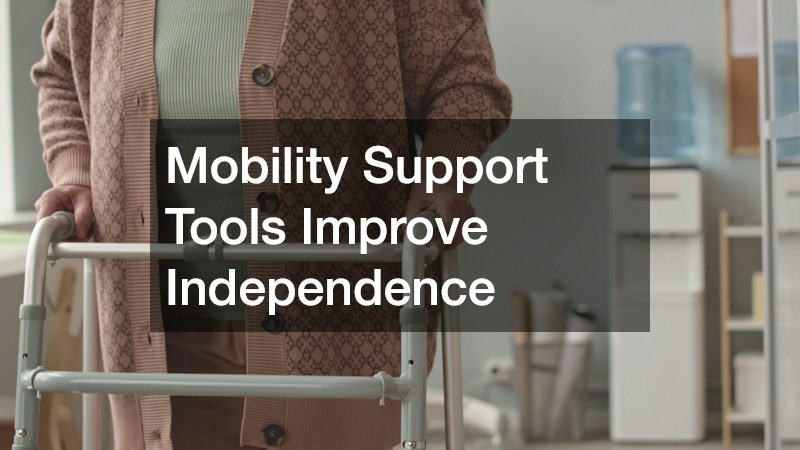
Mobility Support Tools Improve Independence
Maintaining independence is one of the top priorities for aging individuals, and mobility challenges are often the biggest barrier. Conditions like arthritis, joint replacement recovery, or balance issues can make everyday tasks difficult without the right support tools. This has led to a noticeable rise in the use of mobility aids designed to help seniors stay active and self-sufficient.
Disability scooters have become a popular solution for individuals who want to maintain independence while running errands, attending appointments, or simply enjoying time outdoors. These devices allow users to conserve energy while still participating fully in daily life. Many communities have also adapted public spaces with ramps and wider walkways to accommodate these mobility tools more easily.
- Improved access to grocery stores and pharmacies
- Reduced risk of falls during errands
- Greater independence for solo outings
- Compatibility with public transportation accommodations
- Variety of models suited for indoor and outdoor use
Preventive Care Becomes a Long-Term Priority
Rather than waiting for symptoms to appear, more older adults are prioritizing preventive screenings to catch potential issues early. Routine bloodwork, cancer screenings, bone density tests, and vision or hearing checks have become standard parts of annual healthcare planning. This shift reflects a broader understanding that early detection often leads to simpler, less invasive treatment.
Preventive care also includes lifestyle counseling, such as nutrition guidance and fall-prevention strategies. Many healthcare providers now dedicate portions of annual visits specifically to discussing long-term risk factors rather than only addressing current complaints. This proactive mindset is helping many seniors maintain better health outcomes well into later life.
As aging populations continue to grow, everyday healthcare decisions are becoming more thoughtful, proactive, and personalized. From convenient walk-in care to mobility support and mental health resources, today’s options offer more flexibility than ever before. The best next step is to evaluate your own or your loved one’s specific needs and start building a healthcare routine that supports long-term independence and wellbeing. Taking small, informed steps now can lead to significant improvements in quality of life down the road.