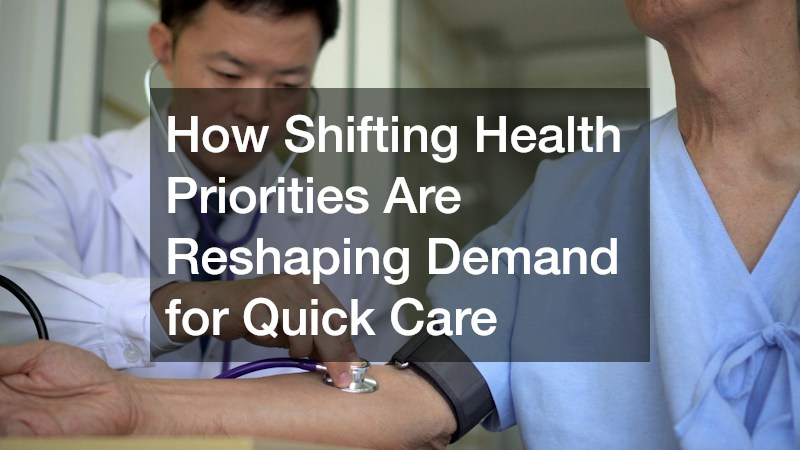
How Shifting Health Priorities Are Reshaping Demand for Quick Care
Health priorities look different today than they did even five years ago. People want fast answers, convenient scheduling, and care that fits around busy lives rather than the other way around. This shift is changing where people turn first when something feels off, and it is quietly reshaping entire corners of the healthcare system. Understanding these changes can help you make smarter, faster decisions the next time you or a family member needs attention.
Rising Demand for Same-Day Treatment Options
People no longer accept waiting weeks for a basic appointment when a minor injury or sudden illness needs attention right away. This impatience is not about being unreasonable, it reflects real changes in how families manage time, work schedules, and childcare. When a sprained ankle, fever, or stomach bug hits on a weekend, most people want a solution within hours, not days. The numbers back up this shift. Surveys on patient expectations consistently show that a majority of consumers consider same-day or next-day availability a top factor when choosing where to seek care, often ranking it above brand loyalty to a specific provider or practice. Many patients say they will switch to a new clinic or urgent care center entirely if their regular doctor cannot see them within 24 to 48 hours.
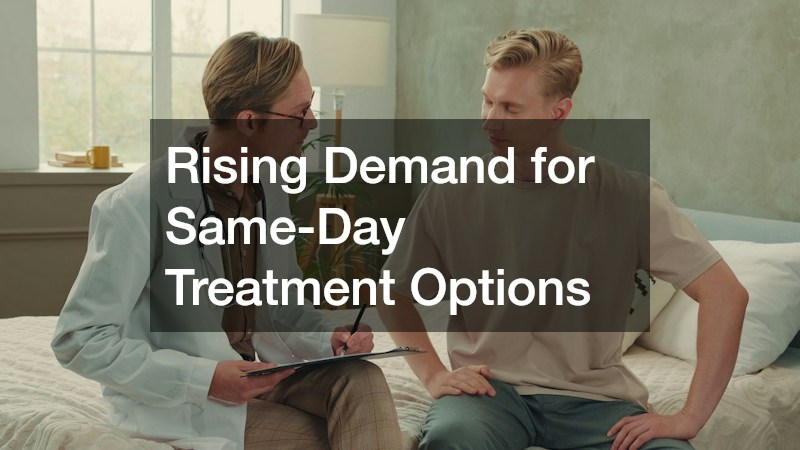
Dual-income households, gig workers, and parents juggling school pickups simply cannot afford to burn a vacation day on a routine illness or wait three weeks for a specialist referral. A single missed shift can mean lost wages for hourly workers, which raises the stakes of every delay. Add in the difficulty of arranging last-minute childcare for a sick visit, and speed becomes less a convenience and more a practical necessity. This urgency also extends beyond physical symptoms. Mental health concerns, medication refills, and minor but worrisome symptoms like a persistent cough or a rash now fall under the same expectation of rapid response, pushing providers to rethink how quickly they can triage and treat.
This expectation has pushed walk-in clinics and extended-hours facilities into the spotlight as a practical middle ground between a primary doctor and the emergency room. Urgent care centers typically handle conditions like sprains, minor infections, and fevers at a fraction of the cost and wait time of an ER visit, while still offering same-day access that a primary care office often can’t match. Many consumers now research their options in advance so they already know where to go before a problem arises.
This often means checking which nearby clinics accept their insurance, noting posted wait times through clinic apps or websites, and saving locations that offer extended evening or weekend hours. Some patients even keep a short list of two or three facilities on hand, since availability and services can vary by time of day or day of the week. This kind of advance planning reflects a broader shift: healthcare decisions are increasingly treated like any other consumer choice, researched and compared ahead of time rather than made reactively in a moment of crisis.
- Shorter wait times compared to traditional scheduling, often under 30 minutes versus days or weeks for a primary care appointment
- Extended evening and weekend hours, making care accessible around work schedules and family obligations
- Treatment for sprains, minor cuts, infections, and fevers, plus common issues like rashes, allergic reactions, and minor burns
- No need for a referral in most cases, letting patients walk in and be seen the same day
- Lower average costs than emergency room visits for non-life-threatening conditions
- On-site diagnostics such as X-rays and basic lab tests for faster treatment decisions
Growing Interest in Preventive and Cosmetic Wellness
Beyond treating sudden symptoms, more people are paying closer attention to long-term wellness and how their bodies change over time. This includes a noticeable rise in interest around body contouring procedures, with male liposuction becoming a more common search term among men who want a faster path to a leaner midsection after diet and exercise plateau. This reflects a broader cultural shift where men are more openly discussing appearance-related health goals that used to be rarely talked about.
It is worth noting that this kind of elective procedure sits in a very different category from urgent medical needs, since it involves planning, consultation, and recovery time rather than same-day treatment. Still, the growing comfort with discussing these choices shows how health priorities overall are becoming more personalized and proactive rather than reactive.

Convenience as a Deciding Factor in Care Choices
Location and speed now rank alongside quality of care when people choose where to get treatment. A clinic that is five minutes away and open until nine at night often wins out over a highly rated practice that requires a weeks-long wait. This is especially true for parents, shift workers, and anyone juggling multiple responsibilities who simply cannot afford long gaps in their schedule.
- Proximity to home or workplace
- Flexible hours outside the standard nine-to-five
- Transparent, upfront pricing
- Minimal paperwork and faster check-in processes
The Expanding Role of Walk-In Clinics in Everyday Health
Facilities built for fast, flexible treatment have become a dependable option for issues that fall between a routine checkup and a true emergency. Many people now turn to urgent care for things like minor fractures, allergic reactions, respiratory infections, or stitches, situations that need prompt attention but do not require an ambulance ride. This middle tier of care has grown substantially because it fills a real gap that traditional scheduling systems were never designed to handle.
These clinics also tend to offer straightforward pricing and shorter visits, which appeals to people who are wary of unpredictable medical bills. As more employers and insurers recognize this option as a legitimate first stop, awareness continues to spread among everyday consumers looking for a practical alternative to the ER.
- Minor broken bones and sprains
- Cuts requiring stitches
- Flu, strep throat, and other common infections
- Vaccinations and basic physicals
Technology and Telehealth Shaping Faster Access
Virtual visits and online scheduling tools have made it easier than ever to figure out exactly where to go before leaving the house. Many clinics now let patients check estimated wait times from a phone, which cuts down on wasted trips and frustration. This kind of transparency has become a major driver of patient satisfaction and loyalty.
Telehealth has also absorbed a portion of the demand that once went to in-person visits, particularly for follow-up care, prescription refills, and minor consultations. This frees up in-person appointment slots for issues that genuinely require hands-on evaluation, creating a more efficient system overall.
- Real-time wait time tracking apps
- Virtual consultations for minor issues
- Online check-in and registration
- Digital prescription management
Health priorities are shifting toward speed, flexibility, and personalization, and that shift is reshaping how and where people seek care. Whether the need is a same-day treatment for a minor injury or a longer-term wellness goal, the common thread is a desire for options that respect people’s time and individual circumstances. The best next step is to research the facilities available in your area now, before an urgent need arises, so you are never scrambling to find the right fit under pressure.