How Smart Sensors Are Changing the Way Damage Gets Assessed
When a storm rips through your neighborhood or a fire breaks out in a commercial building, the first question everyone asks is how bad is it, really. For decades, damage assessment meant waiting for an inspector to walk the property with a clipboard, guessing at hidden problems behind walls or above ceilings. Today, smart sensors are quietly rewriting that process, catching issues faster, documenting them more precisely, and giving homeowners and business owners real data instead of educated guesses. Understanding how this technology works can help you make smarter decisions the next time disaster strikes your property.
Structural Monitoring Sensors Detect Hidden Movement
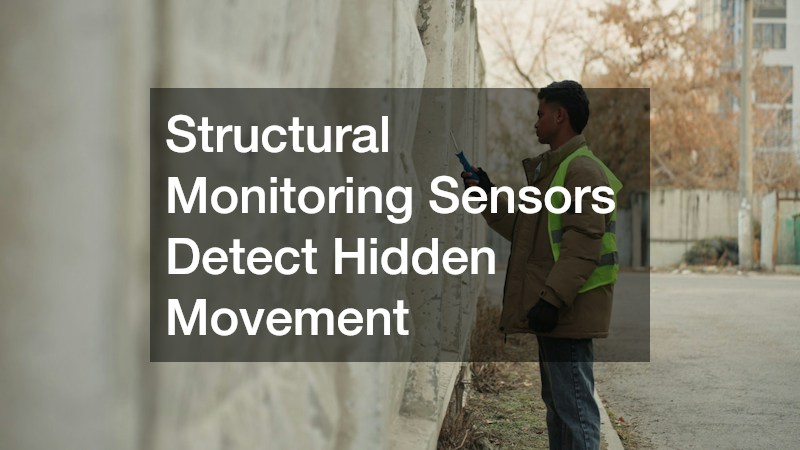
Modern buildings now often include small sensors embedded directly into structural elements to track vibration, tilt, and stress over time. These devices can flag subtle shifts long before cracks become visible to the human eye, which matters enormously after an earthquake, flood, or even a slow foundation settlement issue. Engineers use this continuous stream of data to decide whether a structure needs immediate evacuation or can be safely repaired while occupied.
This technology has become especially valuable for monitoring components like bar joists, which support roofs and floors in many commercial and industrial buildings. A sensor attached near a bar joist connection point can detect unusual sagging or stress long before a visual inspection would catch the problem. That early warning gives property owners time to schedule repairs before a minor issue turns into a costly structural failure.
- Tilt sensors measure building lean in real time
- Strain gauges track stress on beams and connectors
- Vibration sensors catch micro-movements from settling or seismic activity
- Wireless transmitters send alerts directly to a property manager’s phone
Water Leak Detectors Catch Problems Before They Spread
Water damage is one of the most expensive and preventable types of property loss, and smart leak detectors are changing how quickly homeowners respond to it. These small battery-powered devices sit near water heaters, under sinks, or behind washing machines, sending an instant alert the moment moisture is detected. Instead of discovering a slow leak weeks later when mold has already spread, homeowners now get a notification within minutes.
Insurance companies have taken notice too, with many offering discounts to policyholders who install these sensors throughout their homes. The data these devices collect also helps adjusters understand exactly when a leak started and how far it traveled, which speeds up claims processing considerably. This kind of documentation removes a lot of the guesswork that used to slow down water damage disputes.
- Sensors placed near appliances catch leaks at the source
- Smart shutoff valves can stop water flow automatically
- Humidity sensors detect moisture buildup in walls or crawl spaces
- Mobile alerts give homeowners time to act before damage spreads
Smoke and Heat Sensors Improve Fire Damage Accuracy
Traditional smoke detectors tell you there is a fire, but smart sensors go further by tracking temperature changes, smoke density, and even the rate at which conditions are worsening. This added detail helps fire investigators reconstruct exactly how a fire spread through a structure, which rooms suffered the most heat exposure, and where smoke damage traveled even without visible flames. That level of detail matters enormously when it comes time to document losses accurately.
Because these sensors log data continuously rather than just sounding an alarm, they create a timestamped record that can be reviewed after the fact. This record often proves useful for insurance claims, since it shows precisely when temperatures spiked and how quickly the situation escalated. Property owners who have this data available tend to see fewer disputes over the scope of their claimed damages.
- Heat sensors track temperature spikes room by room
- Smoke density readings help estimate residue spread
- Data logs create a timeline investigators can reference
- Cloud storage keeps records safe even if hardware is destroyed
Drone and Camera Sensors Map Damage From Above
Drones equipped with high resolution cameras and infrared sensors have become a standard tool for assessing roof damage, storm destruction, and large-scale property loss. They can capture detailed imagery of areas too dangerous or difficult for a person to reach safely, like a storm-damaged roof or a collapsed section of a warehouse. This bird’s eye view often reveals patterns of damage that are nearly impossible to see from ground level.
Infrared cameras mounted on these drones can also detect heat signatures that point to electrical problems or trapped moisture inside walls. Combined with GPS mapping, the resulting images get layered into reports that show exactly where damage occurred across a large property. This makes it much easier for property owners to communicate the full scope of loss to contractors and insurers alike.
- High resolution imagery spots cracked shingles and structural gaps
- Infrared sensors reveal hidden moisture and heat loss
- GPS tagging pinpoints exact damage locations
- Aerial mapping speeds up large-scale assessments after storms
Wearable and Vehicle Sensors Support Accident Documentation
Smart sensors are not limited to buildings. Many modern vehicles now include event data recorders and collision sensors that capture speed, braking patterns, and impact force in the moments before and after an accident. This information can be pulled later to reconstruct exactly what happened, which removes much of the ambiguity that used to make accident claims so contentious.
If you are ever involved in a serious collision, this sensor data can become a key piece of evidence when working with a best car accident attorney to pursue a fair settlement. Attorneys increasingly request this information directly from vehicle manufacturers or insurance companies to support their client’s version of events. Having objective data available often speeds up negotiations and reduces the back-and-forth that typically drags out injury claims.
- Event data recorders log speed and braking before impact
- Airbag sensors record the force and timing of a collision
- Dashcam footage paired with sensor data strengthens claims
- GPS timestamps confirm location and time of an incident
Smart sensors have fundamentally changed how damage gets documented, assessed, and proven, replacing guesswork with hard data across homes, commercial buildings, and even vehicles. Whether you are dealing with a slow leak, a storm-damaged roof, or the aftermath of a car accident, this technology gives you a clearer picture of what actually happened and why it matters. The next step is simple: ask whether your property or vehicle already has these tools in place, and if not, consider what it would take to add them before disaster strikes.