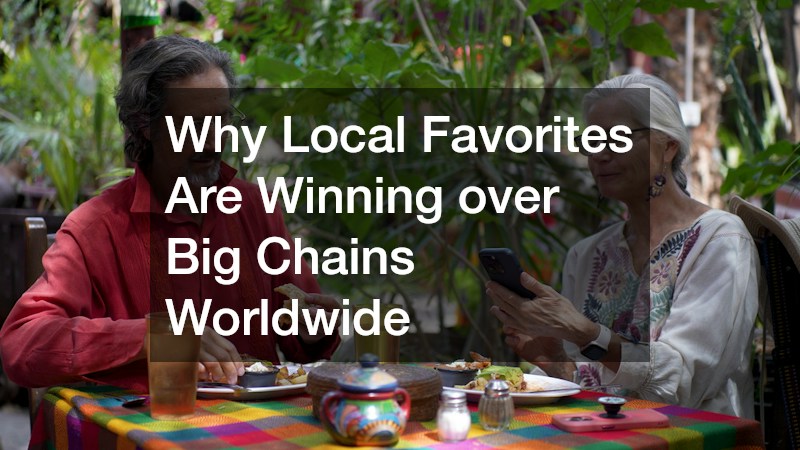
Why Local Favorites Are Winning over Big Chains Worldwide

Walk through almost any city today and you will notice something shifting: the corner bakery has a line out the door while the chain coffee shop next to it sits half empty. Travelers increasingly plan trips around a neighborhood noodle shop instead of a familiar fast food logo, and locals are choosing the family-run hardware store over the big box option. This isn’t nostalgia, it’s a measurable change in how people spend their money and time. If you’re trying to understand why this shift is happening and how to make smarter choices with your own spending, this guide breaks down exactly what’s driving it.
The Rise of Neighborhood Eateries Over Fast Food Giants
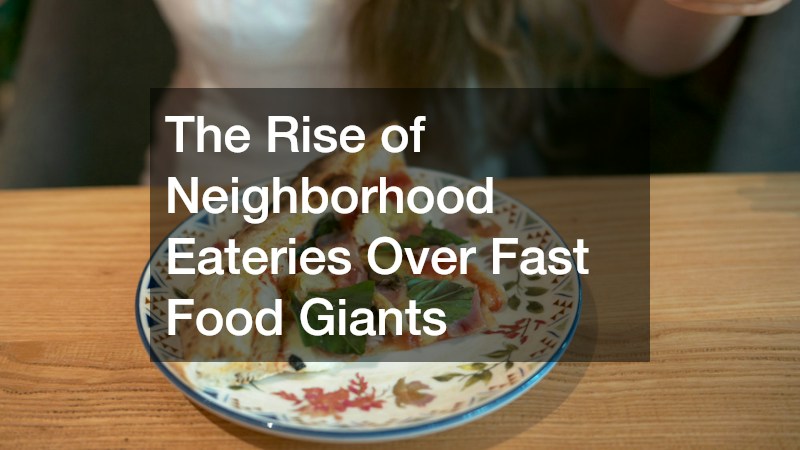
One of the clearest signs of this shift is in dining habits. People are actively searching for the best restaurant in their area rather than defaulting to a chain they’ve seen a thousand times, and that search behavior reflects a desire for something memorable rather than predictable. Independent restaurants tend to offer dishes tied to local culture, seasonal ingredients, and recipes passed down through families, which creates an experience chains simply can’t replicate at scale.
This change is also visible in how people plan trips and weekend outings. Instead of asking where the nearest familiar sign is, travelers now ask locals or check reviews to find spots with genuine character and flavor. That curiosity has turned dining out into a form of exploration rather than routine.
- Independent restaurants often source ingredients from nearby farms, improving freshness and flavor
- Menus change seasonally, giving regulars a reason to keep coming back
- Owners are frequently on-site, which leads to better quality control and personalized service
- Reviews and word-of-mouth recommendations now carry more weight than brand recognition
Why Shoppers Trust Independent Retailers More Than Ever
Trust has become a major currency in retail, and small shop owners tend to build it more effectively than large corporations. When a customer walks into a locally owned store, they often interact with the same staff repeatedly, which creates accountability and familiarity that a rotating cast of chain employees rarely offers. This personal connection makes customers more forgiving of small price differences because they feel they’re getting honest advice rather than a sales script.
Independent retailers also tend to specialize deeply in their product category, which means staff usually know more about what they’re selling. A person buying hiking boots from a dedicated outdoor shop is likely to get more useful guidance than someone shopping at a massive general retailer where employees rotate between departments.
- Specialized staff can answer detailed product questions on the spot
- Return policies are often more flexible when dealing directly with an owner
- Local retailers are more likely to carry unique or regional products
- Repeat customers often receive informal perks like discounts or early access to new stock
How Community Ties Influence Buying Decisions
Money spent at a local business tends to circulate within the community rather than flowing out to a distant corporate headquarters. This matters to consumers who want their spending to have a visible, local impact, such as supporting nearby schools, parks, or community events that small businesses often sponsor. People are increasingly aware of this ripple effect and factor it into where they choose to shop or eat.
There’s also an emotional layer to this decision-making process. Knowing the name of the person who baked your bread or built your furniture creates a sense of connection that a corporate transaction rarely provides. This relationship-driven approach to spending is becoming a deciding factor for many households.
- Local businesses often hire from within the community, supporting local employment
- Many small businesses donate to local causes or sponsor youth sports teams
- Dollars spent locally are more likely to be reinvested in nearby suppliers
- Community events like farmers markets and pop-ups thrive when local shops participate
The Role of Authenticity in a Crowded Marketplace
Consumers today are bombarded with advertising, and many have developed a strong instinct for spotting anything that feels manufactured or overly polished. Local businesses, by contrast, often present themselves with less gloss and more honesty, which paradoxically makes them more appealing. A slightly imperfect storefront with a genuine story behind it can feel more trustworthy than a flawless chain location with a scripted customer experience.
Authenticity also shows up in product quality and storytelling. A small business owner can explain exactly how a product is made or where it comes from, while a chain employee usually can’t go beyond what’s printed on the packaging. This transparency builds a deeper level of trust that influences repeat business.
- Handmade or small-batch goods often carry a story customers want to share
- Transparent sourcing builds credibility, especially for food and clothing
- Imperfections in branding can actually increase perceived authenticity
- Direct communication with owners helps resolve issues quickly and personally
The Impact of Technology on Discovering Local Businesses
Smartphones have fundamentally changed how people find places to shop and eat, and this has unexpectedly worked in favor of small businesses. Review platforms, social media, and map apps now allow a tiny shop with no advertising budget to compete for visibility against a national chain with massive marketing resources. A handful of enthusiastic reviews can now do what decades of billboard advertising used to accomplish.
This technology has also made it easier for people to filter their choices by quality rather than familiarity. Instead of defaulting to whatever brand they recognize, shoppers can now sort options by ratings, photos, and recent customer experiences, leveling the playing field considerably.
- Review apps allow small businesses to build credibility quickly
- Location-based search makes it easy to discover nearby independent shops
- Social media lets owners showcase their personality and story directly to customers
- User-generated photos often provide more honest previews than professional marketing
The shift toward local favorites isn’t a passing trend, it’s a reflection of what people actually value: authenticity, connection, and quality that feels personal rather than mass-produced. As you plan your next purchase or meal out, consider giving a nearby independent business a try instead of the familiar chain option. You may find better service, fresher products, and a stronger sense of community than you expected.