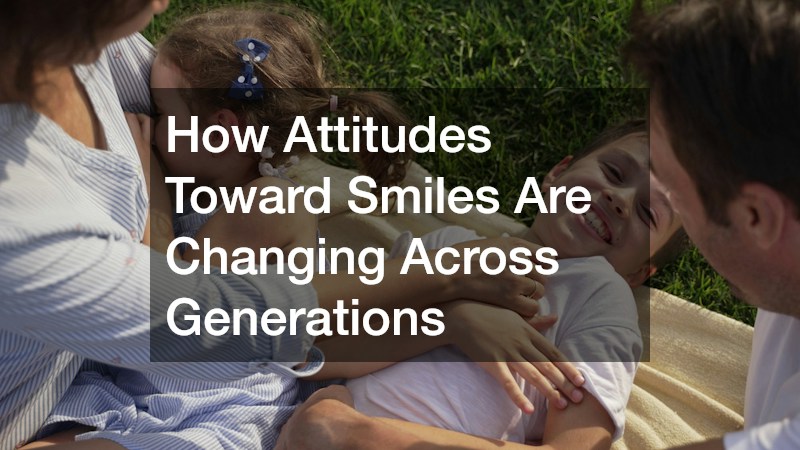
How Attitudes Toward Smiles Are Changing Across Generations
A smile used to mean one thing, perfectly straight, bright white teeth captured in posed photographs. Today, that single standard has splintered into a dozen different ideas about what a smile should look like and even how often it should be shown. If you are trying to figure out what approach makes sense for you or your family, it helps to understand how these attitudes have shifted and why. This article breaks down the generational divide so you can make choices that fit your own values, not outdated expectations.
Baby Boomers and the Era of the Perfect Smile
Baby boomers grew up during a time when a polished, uniform smile was presented as the gold standard of success and attractiveness. Magazines, television, and early advertising campaigns reinforced the idea that straight white teeth signaled discipline, wealth, and good health. For many in this generation, achieving that look meant years of orthodontic work followed by regular whitening treatments to maintain the effect. This mindset still influences how many boomers approach dental care decisions today, often prioritizing appearance alongside function.
Many boomers were also raised with a stronger sense of formality around personal presentation, including how and when to smile in public or professional settings. A toothy grin was often reserved for close friends and family, while a more reserved expression was considered appropriate at work. That generational habit of controlled self-presentation still shapes expectations in some workplaces and family settings.
- Strong emphasis on symmetry and whiteness as markers of a good smile
- Dental visits often framed around correction and maintenance
- Smiling viewed as something to manage in formal or professional contexts
- Less public discussion about dental anxiety or alternative approaches to care
Generation X and the Shift Toward Practical Dental Care
Generation X came of age as orthodontics became more accessible and less stigmatized, but this group also developed a more practical, no-nonsense attitude toward dental work. Rather than chasing an idealized look, many Gen Xers approached smile care as routine maintenance, similar to going to the gym or getting an annual physical. This generation was also the first to grow up with widespread fluoride treatments and preventive care programs in schools, which shaped a more health-focused view of dental visits.
Gen X parents were often the ones who normalized early dental visits for their own children, recognizing that starting young prevented bigger problems later. Choosing the right kids dentist became a common topic among parents comparing notes on pediatric practices, waiting room comfort, and how well a provider worked with anxious children. This practical, research-driven approach to children’s dental care has carried forward into how younger generations now evaluate providers for their own kids.
Millennials and the Rise of Selfie Culture Smiles
Millennials came of age alongside smartphones and social media, which fundamentally changed how often people see images of their own smiles. Constant photo documentation created new pressure around how teeth look in close-up, high-resolution images shared publicly. This generation tends to be more open about discussing cosmetic concerns and more willing to invest in treatments earlier in life than previous generations did.
At the same time, millennials have pushed back against rigid definitions of a perfect smile, often embracing small gaps, natural color variation, or slightly uneven teeth as part of individual identity. Many in this generation frame dental choices around confidence and self-expression rather than conformity to a single ideal. This has led to more nuanced conversations with providers about achieving a natural-looking result instead of a uniform, cookie-cutter smile.
- Increased comfort discussing cosmetic treatments openly online
- Greater interest in subtle, natural-looking enhancements
- Social media exposure driving earlier awareness of smile appearance
- Preference for personalized results over one-size-fits-all standards
Generation Z and the Normalization of Cosmetic Choices
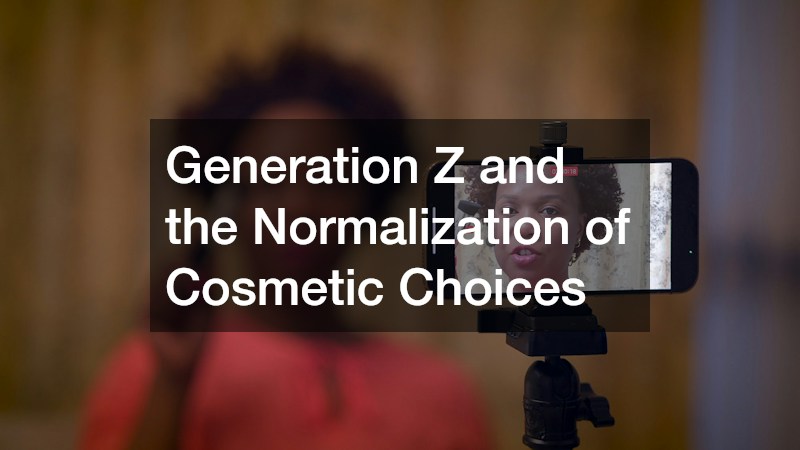
Generation Z has grown up with even more exposure to digital imagery than millennials, alongside a cultural shift toward body positivity and self-acceptance. Many in this generation view visiting a cosmetic dentist as no more remarkable than getting a haircut or changing a hairstyle, something done for personal satisfaction rather than to meet an external standard. This openness has reduced stigma around treatments like whitening, bonding, or clear aligners among younger adults.
Gen Z also tends to research extensively before committing to any treatment, relying heavily on reviews, before-and-after content, and peer recommendations shared online. They are more likely to ask detailed questions about the process, cost, and long-term maintenance before scheduling anything. This generation’s comfort with information gathering has pushed many providers to be more transparent about pricing and realistic expectations.
- High comfort level discussing cosmetic procedures openly with peers
- Strong reliance on online reviews and visual before-and-after examples
- Preference for transparency around cost and treatment timelines
- Growing acceptance of minor imperfections as part of individuality
How Smile Expectations Differ Across Cultures and Communities
Generational attitudes do not exist in a vacuum, and cultural background plays a significant role in shaping how people feel about their smiles. In some communities, a gap between the front teeth is considered a traditional mark of beauty, while in others, perfectly aligned teeth remain the clear aspiration. These differing standards mean that no single generational trend applies universally, even within the same age group.
Family upbringing and regional norms also influence how comfortable people feel smiling widely in photos, at work, or around strangers. Some cultures encourage reserved, closed-mouth smiles as a sign of politeness, while others view an open, expressive smile as warm and welcoming. Recognizing these layered influences helps explain why two people of the same generation might have very different relationships with their own smiles.
What These Generational Shifts Mean for Your Own Choices
Understanding where these attitudes come from can help you separate genuine personal preference from inherited expectations you never actually chose. If you find yourself chasing a specific look simply because it was the standard growing up, it may be worth reconsidering what actually makes you feel confident now. Dental and cosmetic choices work best when they reflect your own goals rather than a decades-old ideal.
It also helps to talk openly with a provider about what results are realistic and sustainable for your lifestyle and budget. Trends shift quickly, but a smile is something you live with every day, so long-term comfort should outweigh short-term fashion. Taking time to clarify your priorities before scheduling any treatment leads to better satisfaction with the outcome.
- Reflect on whether your smile goals come from personal preference or outside pressure
- Ask providers about realistic timelines and maintenance requirements
- Consider how a treatment fits your daily routine and budget long term
- Prioritize comfort and confidence over trends that may fade
Attitudes toward smiles will likely keep evolving as new generations bring their own cultural influences and technology into the conversation. What matters most is understanding your own relationship with your smile rather than measuring it against a standard that may not even reflect your values. Take time to reflect on what confidence actually looks like for you, then use that clarity to guide any conversations with a dental provider. A thoughtful, informed approach will always serve you better than chasing a trend.